You’ve seen the Instagram posts: glittering crowds outside Le Baron, neon lights flashing over Saint-Germain, bottles popping at 2 a.m. But if you’ve ever asked yourself, "Where do Parisians actually go when they want to let loose?" - you’re not alone. Tourist clubs are loud, overpriced, and packed with people who don’t know the difference between a good house beat and a playlist from 2012. The real Paris nightlife? It’s tucked away in backstreets, basements, and converted warehouses. And it’s not for show. It’s for soul.
What Makes a Club "Local" in Paris?
A club that locals love doesn’t need a bouncer with a clipboard checking your shoes. It doesn’t charge €25 just to walk in. It doesn’t play the same three EDM tracks on loop. What it does have? Good sound, no dress code, a vibe that feels like home, and a bartender who remembers your name after two visits.
Parisian clubs thrive on authenticity. They’re often run by musicians, artists, or ex-pats who fell in love with the city and decided to build something real. You won’t find corporate logos on the walls. No VIP sections with velvet ropes. Just music, sweat, and people who are there because they love it - not because they’re trying to be seen.
Think of it like this: Tourist clubs are like fast food. They’re easy to find, flashy, and satisfy a craving - but you leave feeling empty. Local clubs? They’re the neighborhood bistro where the chef cooks with ingredients from the market that morning. You come for the food, but you stay for the feeling.
Where Locals Really Go: 6 Unmissable Clubs
Here’s where you’ll find Parisians dancing at 3 a.m. on a Tuesday - no invitation needed.
- Le Trabendo (19th arrondissement): This isn’t a club. It’s a temple of live music. Built inside an old train station, it hosts everything from French indie rock to Afrobeat and jazz. Locals come for the acoustics, the lack of pretension, and the fact that you can get a €7 beer and still have change for the metro. The crowd? Artists, students, and older folks who still know how to move.
- La Bellevilloise (20th arrondissement): A former workers’ cooperative turned cultural hub. By day, it’s a café and art space. By night, it becomes a club with a conscience. DJs spin vinyl-only sets, and the sound system is so clean you can hear every bass drop. Locals love it because there’s no pressure to buy expensive drinks. You can just sit, listen, and dance when the mood hits.
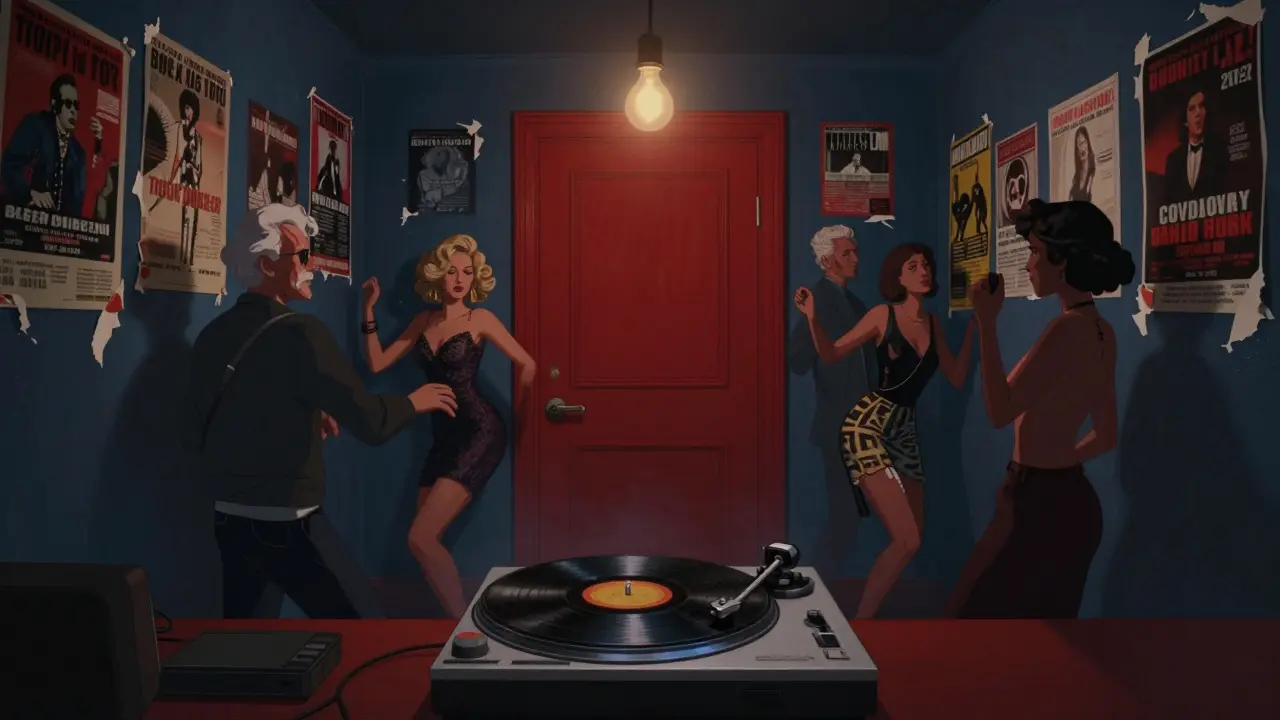
- Le Baron (8th arrondissement): Wait - isn’t this the tourist spot? Yes. But here’s the twist: Le Baron has two sides. The front is for the influencers. The back? That’s where the real party lives. The Baron Basement is a hidden room with no sign, no cover charge after midnight, and DJs who play rare disco, funk, and house. You’ll find fashion designers, musicians, and old-school Parisians who’ve been coming since the ’90s. Find it by asking for "the red door."
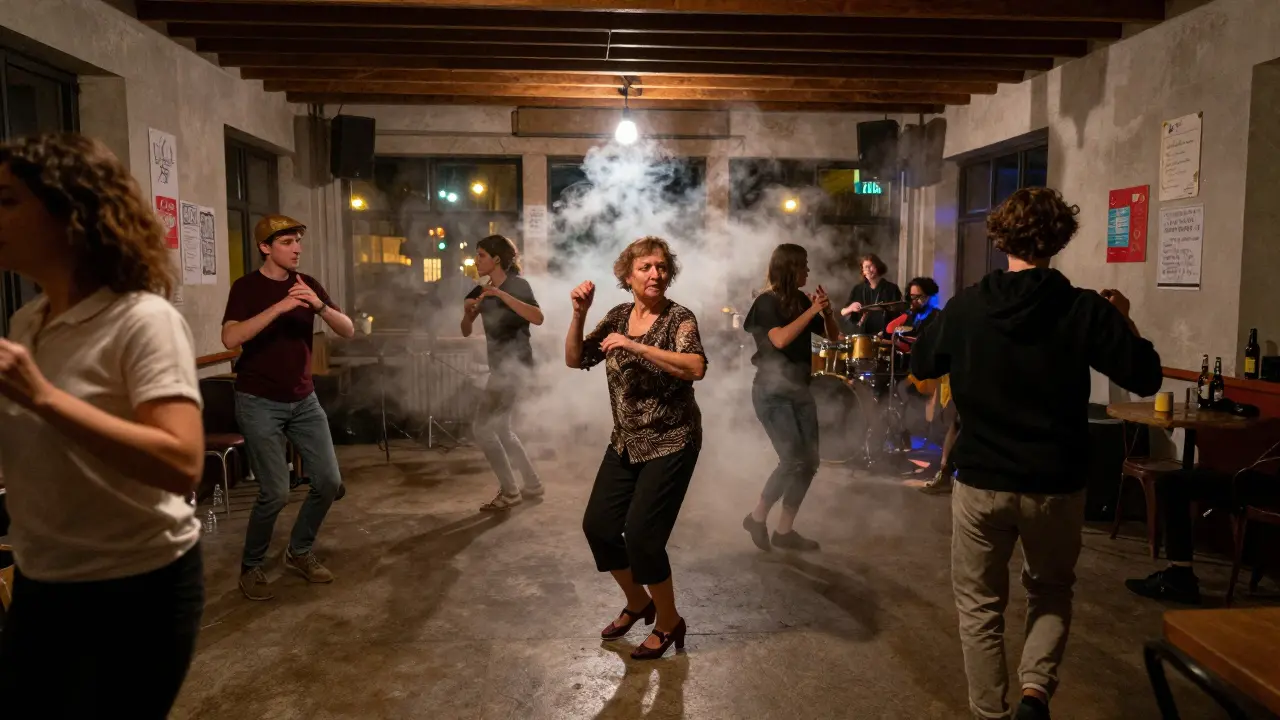
- La Java (18th arrondissement): A legendary dance hall since 1912. It survived wars, bans, and gentrification. Now, it’s a wild mix of old-school swing nights, punk rock gigs, and electronic sets that go until dawn. Locals come here for the history, the chaos, and the fact that no one cares if you can’t dance. You’ll see grandmas in heels twirling with teens in hoodies. It’s pure Paris.
- Le Ritz (10th arrondissement): Don’t confuse it with the hotel. This is a tiny, unmarked basement club under a kebab shop. No website. No social media. Just a door with a buzzer. You need to know someone - or show up at 1 a.m. and wait. Inside? Deep techno, industrial beats, and a crowd that’s been coming for 20 years. It’s not for everyone. But if you’ve ever wanted to feel like you’ve stumbled into a secret society - this is it.
- La Machine du Moulin Rouge (18th arrondissement): Yes, it’s next to the famous Moulin Rouge. But this is a completely different world. A converted factory with exposed brick, fog machines, and a sound system that shakes your ribs. It’s where Paris’s underground electronic scene thrives. DJs from Berlin, Tokyo, and Lyon play here. The crowd? Mostly locals in black t-shirts and boots. No one’s taking photos. Everyone’s lost in the music.
How to Spot a Real Local Club
Here’s how you tell if a place is made for locals - not for tourists:
- No sign outside - or just a small, faded one. If you need GPS to find it, you’re probably on the right track.
- No cover charge before midnight - Tourist clubs charge upfront. Locals pay when they’re ready to stay.
- Music that’s not on Spotify playlists - If you don’t recognize any of the tracks, that’s a good sign.
- People aren’t dressed up - Jeans, sneakers, and a jacket are fine. No stilettos, no blazers, no "I’m on vacation" outfits.
- The bartender doesn’t ask for ID - Unless you look 16, they assume you’re 25+.
Pro tip: Walk into any bar in the 11th, 19th, or 20th arrondissements after 11 p.m. and ask, "Où on danse vraiment ici?" (Where do people actually dance here?). You’ll get a smile and a nod toward the next place.
What to Expect When You Go
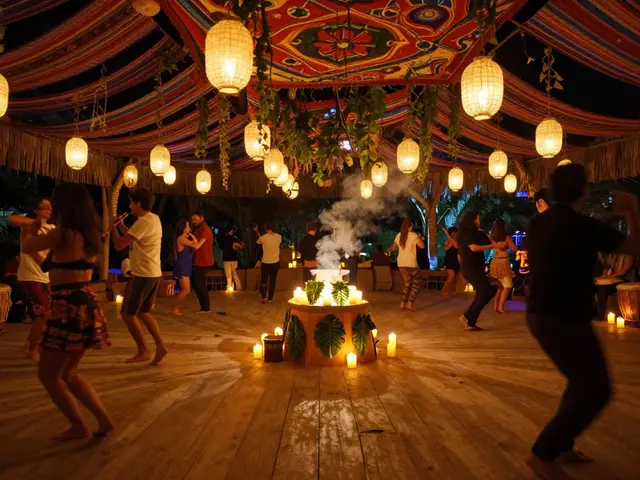
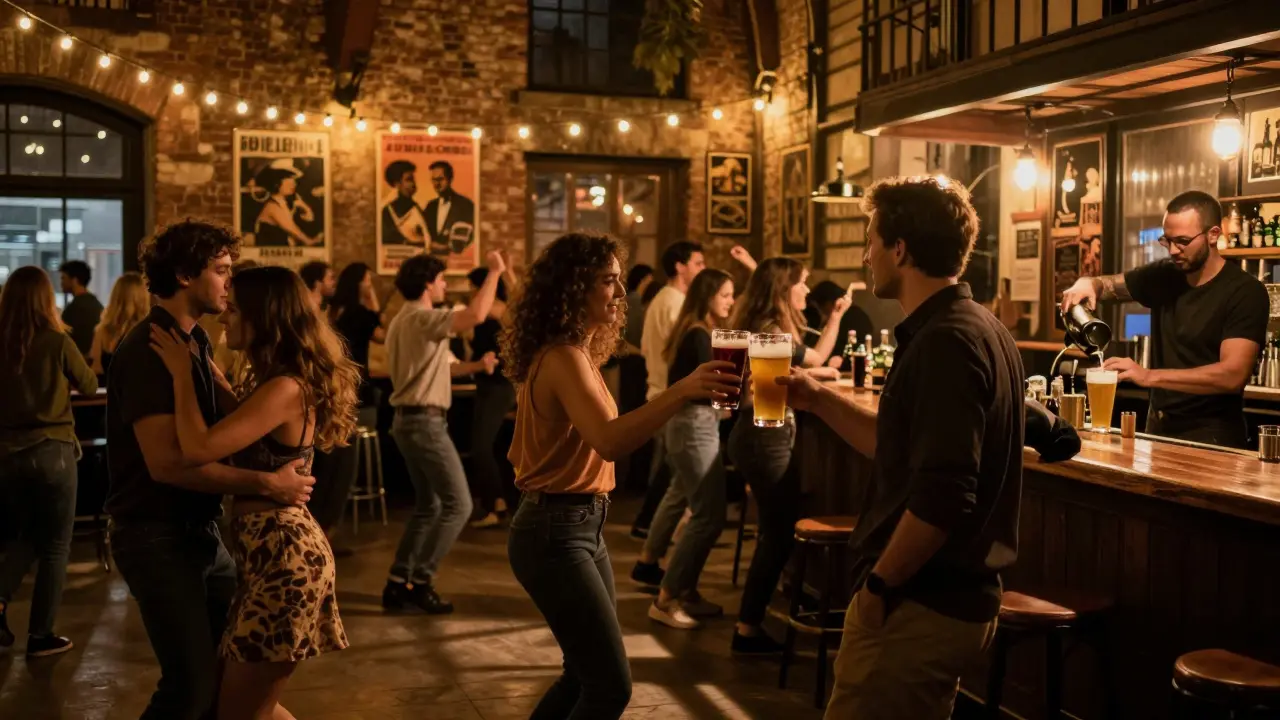
You won’t find champagne towers or bottle service. You won’t be seated at a table with a reservation. What you will find? A crowd that’s there to feel the music, not to be seen. The lighting is low. The air smells like beer, incense, and old wood. The dance floor isn’t big, but it’s alive. People move without thinking - no choreography, no poses. Just bodies responding to rhythm.
Don’t expect to take a perfect photo. Don’t expect to post about it later. That’s not why people come. They come to forget the day. To breathe. To connect. To dance like no one’s watching - even though everyone is.
When to Go and How to Get There
Parisian clubs don’t open at 9 p.m. They open at 11. They peak at 1 a.m. and don’t wind down until 5 or 6. Weekends are packed, but Tuesdays and Wednesdays? That’s when the real magic happens. Fewer people. Better music. Cheaper drinks.
Public transport runs until 1:30 a.m. on weekdays and 2:30 a.m. on weekends. After that, you’ll need a taxi or Uber. But here’s the secret: Many locals walk. Paris is small. And walking between clubs - especially in Montmartre or Oberkampf - is part of the experience. You’ll pass street artists, late-night boulangeries, and people laughing on stoops. That’s Paris.
Price Range: No Surprises
At tourist clubs, expect €15-€30 just to get in. At local clubs? You’re looking at €5-€10 cover - if there’s even a cover at all. Drinks? A beer is €5-€7. A wine is €6. A cocktail? €10 if it’s fancy. You can easily spend €25 for the whole night - including transport.
Some places, like La Bellevilloise, even let you bring your own bottle of wine. Just don’t bring a whole case. That’s not the vibe.
How to Find These Places Without a Guide
You don’t need a tour. You don’t need an app. Here’s how to find them:
- Check Parisian music blogs like Les Inrockuptibles or Resident Advisor - they list underground gigs weekly.
- Follow local DJs on Instagram. They post about their sets - and where they’re playing.
- Ask at a local café. Not a tourist one. The kind with two tables and a sign that says "Ouvert jusqu’à 2h."
- Look for flyers on lampposts in the 11th, 18th, or 20th. Hand-drawn, slightly smudged, with no logo. That’s your clue.
What to Wear
Forget "nightclub attire." Parisians dress for comfort and attitude. Dark jeans. A cool jacket. Boots or clean sneakers. A leather belt if you’re feeling fancy. No logos. No flashy jewelry. No high heels unless you’re a dancer who’s used to them.
Remember: It’s not about looking rich. It’s about looking like you belong.
Common Mistakes Tourists Make
- Showing up before 11 p.m. - Clubs aren’t open yet, and you’ll look out of place.
- Asking for "the best club" - Locals hate that question. They’ll tell you where they go - not where "the best" is.
- Trying to take selfies - It’s rude. And no one cares.
- Complaining about the noise - If you can’t handle it, you’re in the wrong place.
- Expecting English speakers - Most staff speak French. Learn two words: "Merci" and "Une bière, s’il vous plaît."
Comparison: Tourist Clubs vs. Local Clubs
| Feature | Tourist Clubs | Local Clubs |
|---|---|---|
| Entry Fee | €15-€30 | €0-€10 (often free before midnight) |
| Music | Top 40, EDM, pop remixes | Deep house, jazz, techno, funk, vinyl-only sets |
| Atmosphere | Flashy, crowded, photo-focused | Intimate, raw, music-first |
| Dress Code | Formal or "clubwear" | Casual, comfortable, no logos |
| Location | 1st, 2nd, 8th arrondissements | 11th, 18th, 19th, 20th arrondissements |
| When to Go | 10 p.m.-1 a.m. | 11 p.m.-6 a.m. |
| Who’s There | Tourists, influencers, business travelers | Artists, students, musicians, locals |
Frequently Asked Questions
Are Paris nightclubs safe for solo travelers?
Yes - but only if you stick to local spots. Tourist clubs have pickpockets and overpriced drinks. Local clubs are low-key and watch out for each other. You’ll see groups of friends, couples, and solo people dancing alone. Just don’t walk home drunk after 3 a.m. Stick to the metro or Uber. Most clubs are in safe neighborhoods, but Paris, like any big city, has its corners.
Do I need to speak French to go to these clubs?
No, but it helps. Most bouncers and bartenders know enough English to serve you. But if you say "Merci", "S’il vous plaît", or "Où est la salle de bain?", you’ll get a smile and better service. Locals appreciate the effort. And if you don’t speak French? Just smile, nod, and dance. Music doesn’t need translation.
What’s the best night to go to a local club in Paris?
Tuesday and Wednesday. Fewer people. Better DJs. Cheaper drinks. Weekends are fun, but they’re crowded with tourists and students. If you want to feel like you’ve discovered something real, go midweek. You’ll see the same faces - and they’ll start to recognize you.
Can I go to these clubs alone?
Absolutely. Many Parisians go alone. You’ll see people sitting at the bar, listening, dancing by themselves. No one will judge you. In fact, you’re more likely to strike up a conversation with someone who’s also there for the music. Just be respectful. Don’t force yourself into a group. Let the vibe pull you in.
Are these clubs open year-round?
Most are. But summer (July-August) is quiet. Many locals leave Paris. Some clubs close for a week or two. Check Instagram or ask at a local café. Winter is actually the best time - the city feels alive, and the clubs are packed with people who want to escape the cold.
Final Tip: Be a Guest, Not a Tourist
The best thing you can do in Paris - whether you’re dancing in a basement or sipping wine on a terrace - is to be quiet. To listen. To watch. To let the city surprise you. Don’t chase the Instagram version of Paris. Chase the version that doesn’t post. The one that doesn’t need to be seen to be real.
Go to Le Trabendo on a Tuesday. Dance like no one’s watching. Buy a beer. Say thank you. Walk home under the streetlights. That’s not a night out. That’s Paris.