
You’ve probably had a relax massage-maybe after a long workweek, or when your shoulders felt like they were holding up the whole world. But have you ever wondered where it all began? Not just the pressure of thumbs on tense muscles, but the whole idea of using touch to calm the mind, quiet the nervous system, and melt away stress? It’s not just a spa trend. It’s older than pyramids, deeper than modern medicine, and more universal than you think.
The First Hands That Soothed
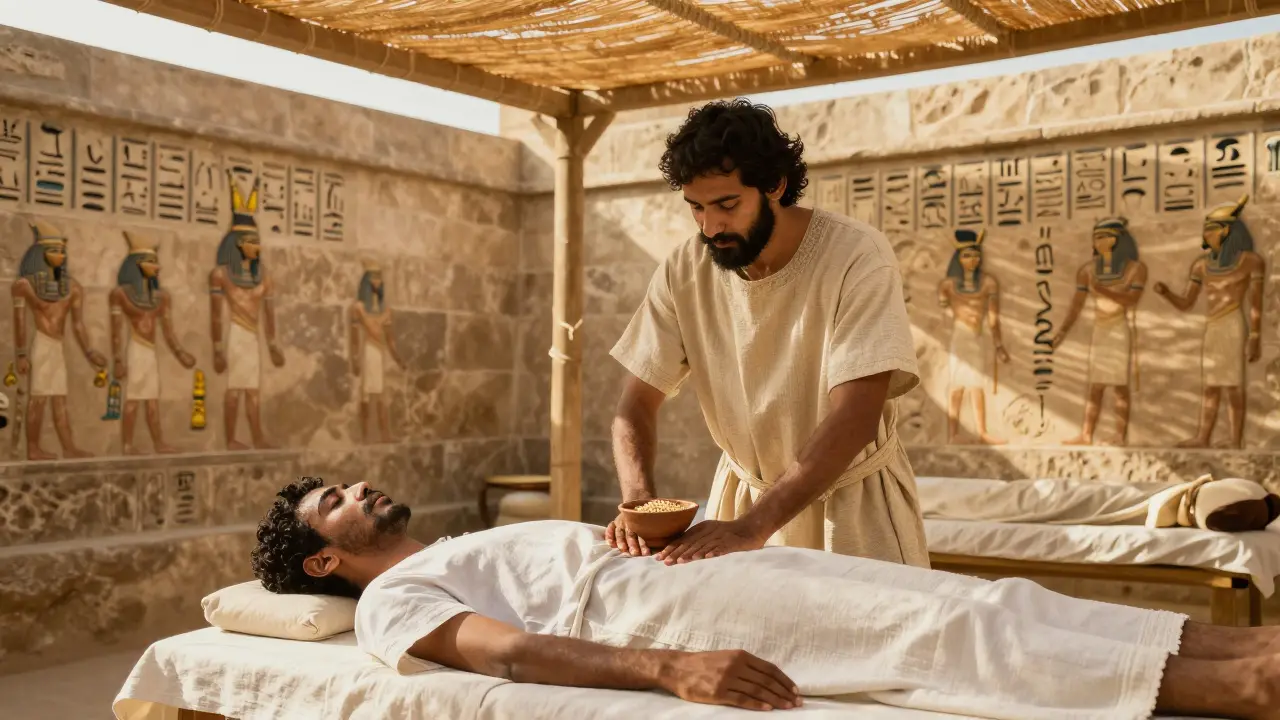
Long before spas opened in Paris or New York, people were rubbing each other’s backs. Archaeologists found carvings in ancient Egypt from over 5,000 years ago showing figures receiving hand and foot massages. These weren’t luxury treatments-they were healing rituals. The Egyptians believed touch could move energy, release blockages, and restore balance. They used oils made from sesame, almond, and frankincense, not just for scent, but because they knew these ingredients had anti-inflammatory properties.
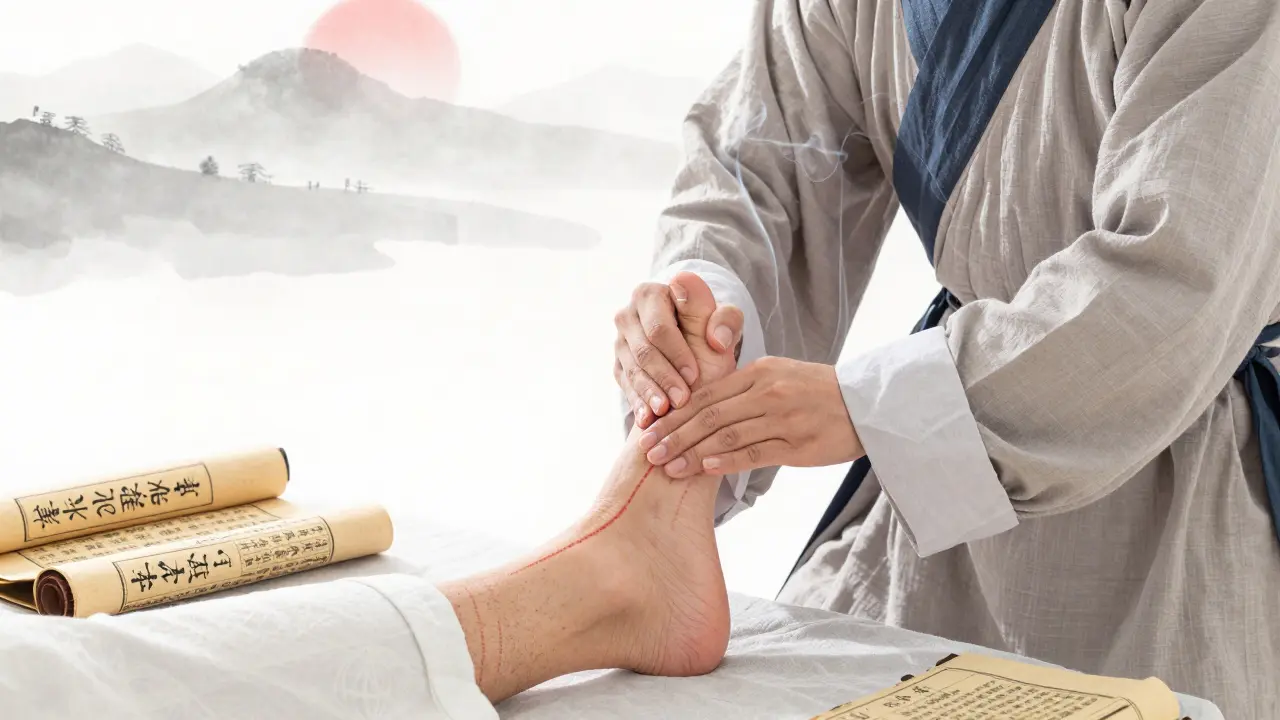
In China, around 2700 BCE, the Yellow Emperor’s Classic of Internal Medicine laid out the earliest known system of bodywork. It described pressure points along energy channels called meridians. This wasn’t guesswork. It was observation, passed down through generations. Chinese healers noticed that pressing certain spots on the feet or hands eased headaches, stomach pain, or even anxiety. That’s the foundation of what we now call Shiatsu and Tuina massage-two styles still practiced today.
India’s Forgotten Gift to Relaxation
While Egypt and China were documenting touch therapy, ancient India was developing something even more holistic. Ayurveda, the 5,000-year-old system of wellness, treated the body, mind, and spirit as one. Massage wasn’t just for sore muscles-it was part of daily hygiene. The practice of Abhyanga, a warm oil massage done in slow, rhythmic strokes, was recommended every morning. It wasn’t about luxury. It was about prevention. Ayurvedic texts claimed that regular massage improved circulation, boosted immunity, and even slowed aging.
What’s fascinating is how deeply spiritual this was. The oils weren’t random. Sesame oil for grounding, coconut oil for cooling, mustard oil for stimulation-each was chosen based on your body type, the season, and your emotional state. This wasn’t a one-size-fits-all treatment. It was personalized healing, long before modern science understood hormones or cortisol levels.
Greece, Rome, and the Rise of Public Healing
The Greeks took what they learned from Egypt and added their own twist. Hippocrates, the father of medicine, wrote that “the physician must be experienced in many things, but assuredly in rubbing.” He didn’t mean just any rubbing-he meant purposeful, rhythmic pressure to restore function. Greek athletes used massage before and after competitions. Trainers called aleiptai applied oils and kneaded limbs to prevent injury and speed recovery.
Rome took it further. Public bathhouses became social hubs where massage was part of the daily routine. After soaking in hot baths, patrons would be rubbed down with oils, scraped with metal tools (a practice called strigiling), and sometimes even rolled in sand for exfoliation. Roman physicians like Galen wrote about massage’s ability to treat everything from digestive issues to depression. The idea that touch could calm the mind wasn’t just folk wisdom-it was medical doctrine.
Why Modern Relax Massage Feels So Familiar
Fast forward to the 18th and 19th centuries. European doctors began studying massage again, this time with scientific tools. Per Henrik Ling, a Swedish gymnast and educator, developed what we now call Swedish massage. He combined movement, pressure, and breathing techniques into a structured system. His goal? To restore mobility and reduce pain in injured soldiers. He didn’t invent massage-he systematized it.
Then came the 20th century. Massage faded into the background as pills and surgery took center stage. But in the 1970s, something changed. People started feeling burnt out. Work hours got longer. Stress became a word everyone knew. Suddenly, the quiet, slow touch of ancient practices felt like a lifeline.
That’s when “relax massage” became a category. Not just a technique, but a promise: Here, you don’t have to be productive. Here, you can just be. Today’s relax massage blends Swedish strokes, gentle pressure, and calming environments-not because it’s trendy, but because it works. Studies from the Journal of Clinical Psychiatry in 2020 showed that just 10 minutes of light massage reduced cortisol levels by 31%. That’s more than a coffee break. That’s biological change.
What Makes a Massage Truly “Relax”?
Not all massages are created equal. A deep tissue session might leave you sore. A sports massage might focus on performance. But a true relax massage has three non-negotiable elements:
- Slow rhythm-long, flowing strokes that match your breathing, not your heartbeat.
- Warmth-heated tables, warm oils, soft blankets. Your body needs to feel safe to let go.
- Minimal talking-no chatter about your job, your kids, your to-do list. Silence isn’t empty. It’s healing.
Think of it like turning down the volume on your nervous system. The therapist isn’t fixing you. They’re giving your body permission to rest.
How It’s Done Today-And Where to Find It
Modern relax massage doesn’t need fancy equipment. No machines. No lasers. Just hands, oil, and a quiet room. Most spas offer it as a 60- or 90-minute session. Some include aromatherapy-lavender, chamomile, or bergamot-because scent triggers the limbic system, the part of your brain tied to emotion and memory.
If you’re in Paris, you’ll find relax massage everywhere: from hidden studios in Le Marais to luxury spas near the Seine. But you don’t need a five-star hotel to get the real thing. Look for therapists who mention “Swedish,” “gentle,” or “calming” in their descriptions. Avoid places that push “detox” or “energy balancing” unless they explain it in plain terms. Real relax massage doesn’t need jargon.
What Happens During Your First Session
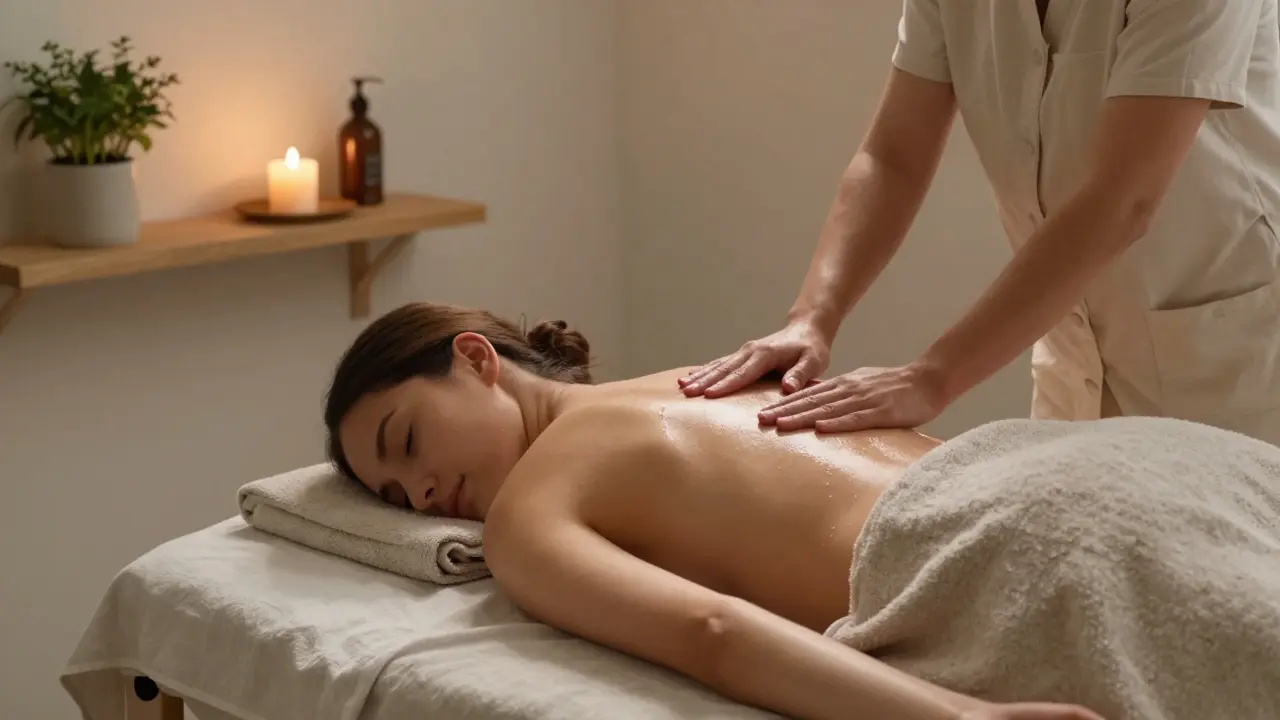
You’ll lie face down on a warm table, covered by a towel. The therapist will leave the room so you can undress to your comfort level. No one’s judging. This isn’t a beauty salon-it’s a sanctuary.
The session starts with long strokes along your back, moving from your shoulders to your lower spine. Then, gentle circles on your shoulders, slow pressure on your neck, and light tapping along your arms. You might feel a little tingle, but no pain. If you do, speak up. A good therapist will adjust immediately.
Halfway through, you’ll turn over. They’ll work on your legs, feet, chest, and face-yes, even your forehead. The touch on your temples? That’s not random. It’s designed to quiet the mind. By the end, you’ll feel heavy. Not tired. Heavy in the way a tree feels after a long rain. Grounded. Calm. Like you’ve been holding your breath for days and just finally let go.
Cost and Booking: No Surprises
Prices vary by city and setting. In Paris, a 60-minute relax massage at a boutique studio might cost €60-€80. At a luxury hotel, you’ll pay €120-€180. But here’s the trick: the price doesn’t always match the quality. Some of the best sessions I’ve had were in small, unmarked rooms above a bakery, where the therapist had trained in Thailand and worked for 20 years.
Book ahead, especially on weekends. Look for therapists with certifications in Swedish massage or relaxation therapy. Avoid places that don’t list the therapist’s name or training. A good one will have a bio. They’ll mention years of experience, schools they attended, or specialties like prenatal or trauma-informed touch.
When to Skip It (And When to Push Through)
Relax massage is safe for most people. But avoid it if you have:
- An active infection or fever
- Recent surgery or open wounds
- Severe osteoporosis or blood clots
If you’re pregnant, make sure the therapist is trained in prenatal massage. If you’re on blood thinners, ask them to use lighter pressure. And if you’re nervous? Tell them. Most therapists have heard it all. They’ve had clients cry, laugh, or fall asleep mid-session. That’s normal.
Relax Massage vs. Deep Tissue: What’s the Difference?
| Feature | Relax Massage | Deep Tissue |
|---|---|---|
| Primary Goal | Reduce stress, calm the nervous system | Release chronic muscle tension |
| Pressure | Light to moderate | Strong, focused |
| Speed | Slow, flowing | Slow, deliberate |
| Oil Used | Lavender, chamomile, almond | Light, unscented |
| After Effects | Peaceful, sleepy, refreshed | Sore, tired, then relieved |
| Best For | Stress, anxiety, insomnia, burnout | Chronic pain, athletes, posture issues |
Choose relax massage if you’re feeling mentally drained. Choose deep tissue if your muscles feel like concrete. They’re not rivals-they’re different tools for different needs.
Frequently Asked Questions
Is relax massage just a fancy name for a regular massage?
No. A regular massage can mean anything-from sports therapy to deep tissue. Relax massage has one specific goal: to calm your nervous system. It uses slow strokes, warm oils, and quiet space. It’s not about fixing tight muscles. It’s about helping your body remember how to rest.
How often should I get a relax massage?
If you’re stressed, once a week helps reset your system. For maintenance, once a month is enough. Think of it like brushing your teeth-you don’t wait until your gums bleed to do it. Regular relaxation prevents burnout before it starts.
Can I do relax massage at home?
Yes, but it’s not the same. You can use warm oil, dim lights, and calming music. Self-massage on your neck or feet helps. But the real power of relax massage comes from another person’s hands-someone who’s trained to read your body’s tension without you saying a word. That’s hard to replicate alone.
Does relax massage help with sleep?
Absolutely. A 2021 study in Frontiers in Neurology found that people who got weekly relax massages fell asleep 37% faster and slept 28% longer. Touch lowers cortisol and raises serotonin and dopamine. It’s like a natural sleep aid with no side effects.
Why do I feel emotional after a relax massage?
It’s common. When your body relaxes, so does your mind. Stored stress, grief, or anxiety can surface. You might cry, laugh, or feel suddenly calm. That’s not weakness-it’s release. A good therapist won’t rush you. They’ll give you space. Let it happen.
Ready to Let Go?
The origins of relax massage stretch back thousands of years-not to sell you a product, but to give you back your peace. It’s not magic. It’s biology. Your body remembers how to heal. You just have to let it.
Find a quiet room. Book a session. Lie down. Breathe. And for once, don’t try to fix anything. Just be.


Bonnie Searcy Squire
December 8, 2025 AT 22:13The Egyptians didn't just use oils-they were part of a secret society that controlled energy flow to keep pharaohs immortal. Massage was a cover for mind control. You think your spa is relaxing? They're syncing your brainwaves with ancient glyphs. Wake up.
Starla Scholl
December 10, 2025 AT 10:37I love how this post ties together so many cultures. It's beautiful to see how every civilization figured out that touch heals-even without modern science. I’ve been doing self-massage with coconut oil since I read about Ayurveda, and honestly? My anxiety has dropped. Not magic. Just biology, like the post says.
Jeff Shaw
December 10, 2025 AT 10:48😭 I cried during my last relax massage. Not because it hurt-but because for the first time in years, I didn’t feel like I had to be ‘on.’ The therapist just… held space. No questions. No advice. Just warm hands and silence. That’s the real magic. 🙏
Hemanth Nadipineni
December 11, 2025 AT 23:26As someone from India, I’m so happy to see Abhyanga mentioned! My grandma did this every morning before sunrise-warm sesame oil, slow strokes, chanting mantras. It wasn’t a luxury, it was like brushing teeth. We didn’t call it ‘therapy’-we called it living. 🙏
Ken Chess
December 12, 2025 AT 12:35Guys I’ve been doing this for 15 years and let me tell you something-real relax massage isn’t about the price or the lavender. It’s about the hands. I’ve had $150 sessions that felt like a robot and $40 ones that felt like my soul was being hugged. Find the person. Not the place.
Melissa Pemberton
December 14, 2025 AT 05:55omg yes!! i got a massage last week after my breakup and i just bawled the whole time and the lady didnt say a word just kept rubbin my back and i felt like a new person. no joke. my therapist is a legend. 🥹
Vicky Durel
December 14, 2025 AT 07:13Of course they left out the truth-massage was used by secret societies to implant subconscious obedience. The oils? Laced with trace minerals to lower critical thinking. The silence? Designed to make you more suggestible. Wake up. This isn’t healing. It’s conditioning.
Mrigank Srivastava
December 15, 2025 AT 11:39Interesting. But I wonder-how many of these ancient practices were lost because they weren’t profitable? We reduced touch to a commodity. Now it’s a $120 experience instead of a grandmother’s routine. We lost something deeper.
alyssa golightly
December 17, 2025 AT 03:16As a Nigerian-American, I grew up with my aunts massaging my scalp with shea butter after church. Didn’t know it had a name. Just knew it felt like love. This post made me cry. We’ve always known. We just didn’t call it ‘therapy’.
Darshan R
December 17, 2025 AT 14:34It’s not about the technique. It’s about being held. Ancient people knew: when your body is touched with care, your mind remembers it’s safe to rest. We forgot that in our rush to fix everything. Now we pay for the silence we used to get for free-from a parent, a sibling, a friend. The real relax massage? It’s the quiet presence of another human who doesn’t try to fix you. Just sits with you. 🌿